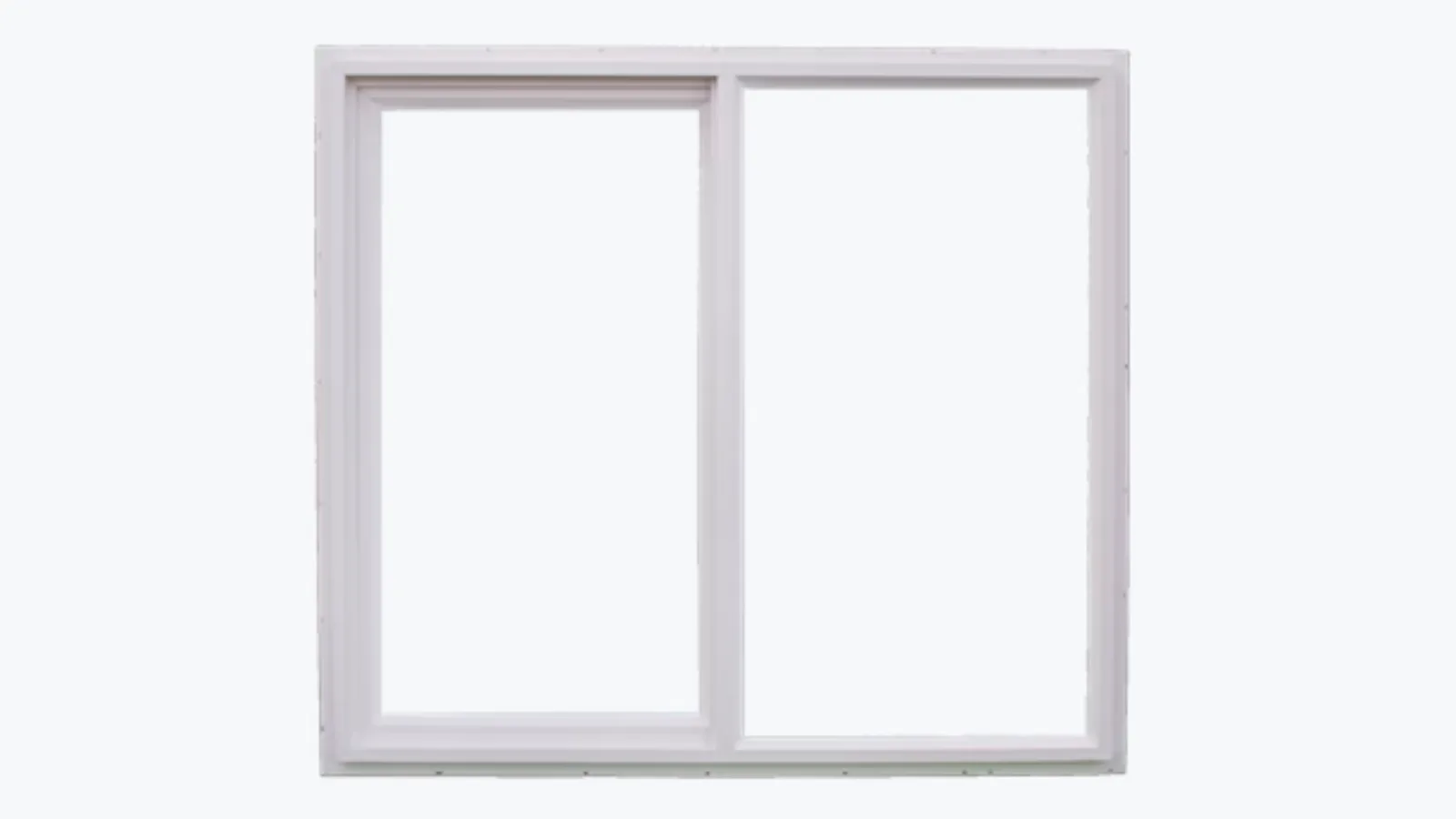
A sash that falls shut, worn operating hardware and damaged glass follow different repair paths. Start with the symptom, then explore the assessment and repair options for your existing window.
Falls shut
A sash that drops or feels heavy
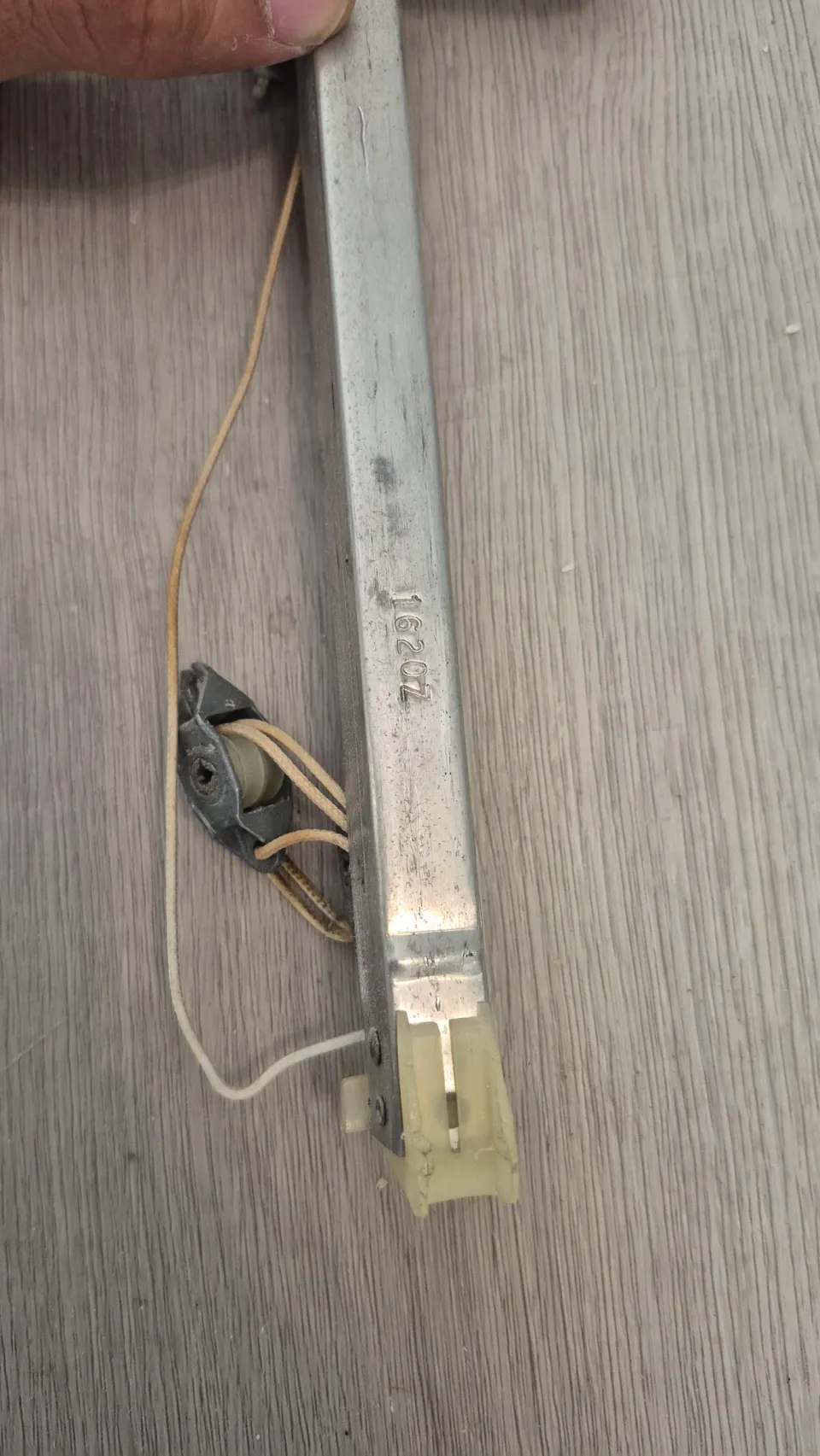
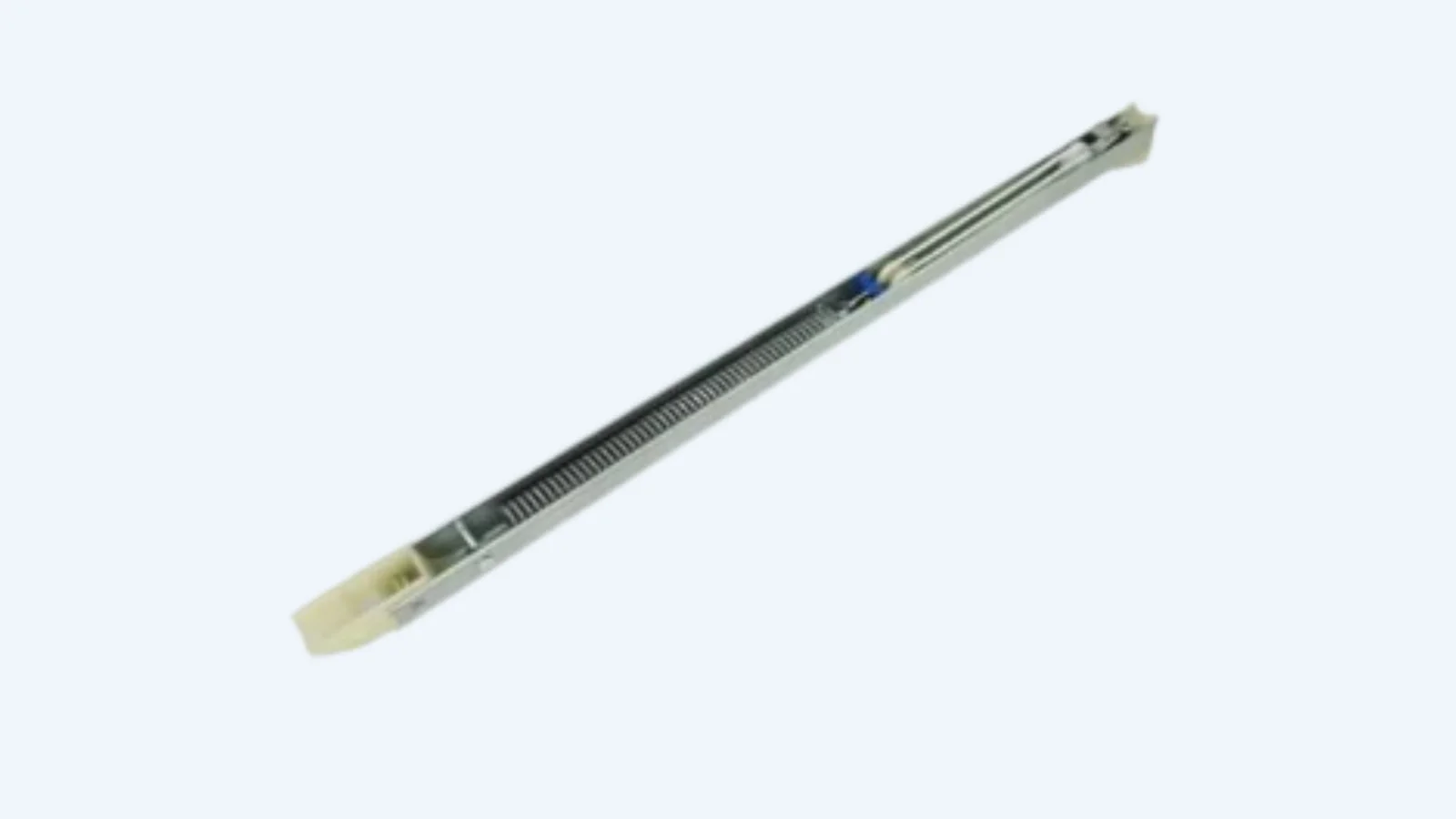
Balances support a moving window sash. If it falls shut, feels heavy or rises unevenly, the balance or its supporting hardware may need attention. A stiff window can also have an alignment or frame problem.
What we check
We identify the balance system and inspect its attachments, shoes or pivots where fitted, sash movement and alignment before recommending window balance repair or replacement.
Helpful to mention: Tell us whether the upper sash, lower sash or both are affected. Do not remove the sash or expose springs to identify the problem.
The window sticks, will not crank or will not latch
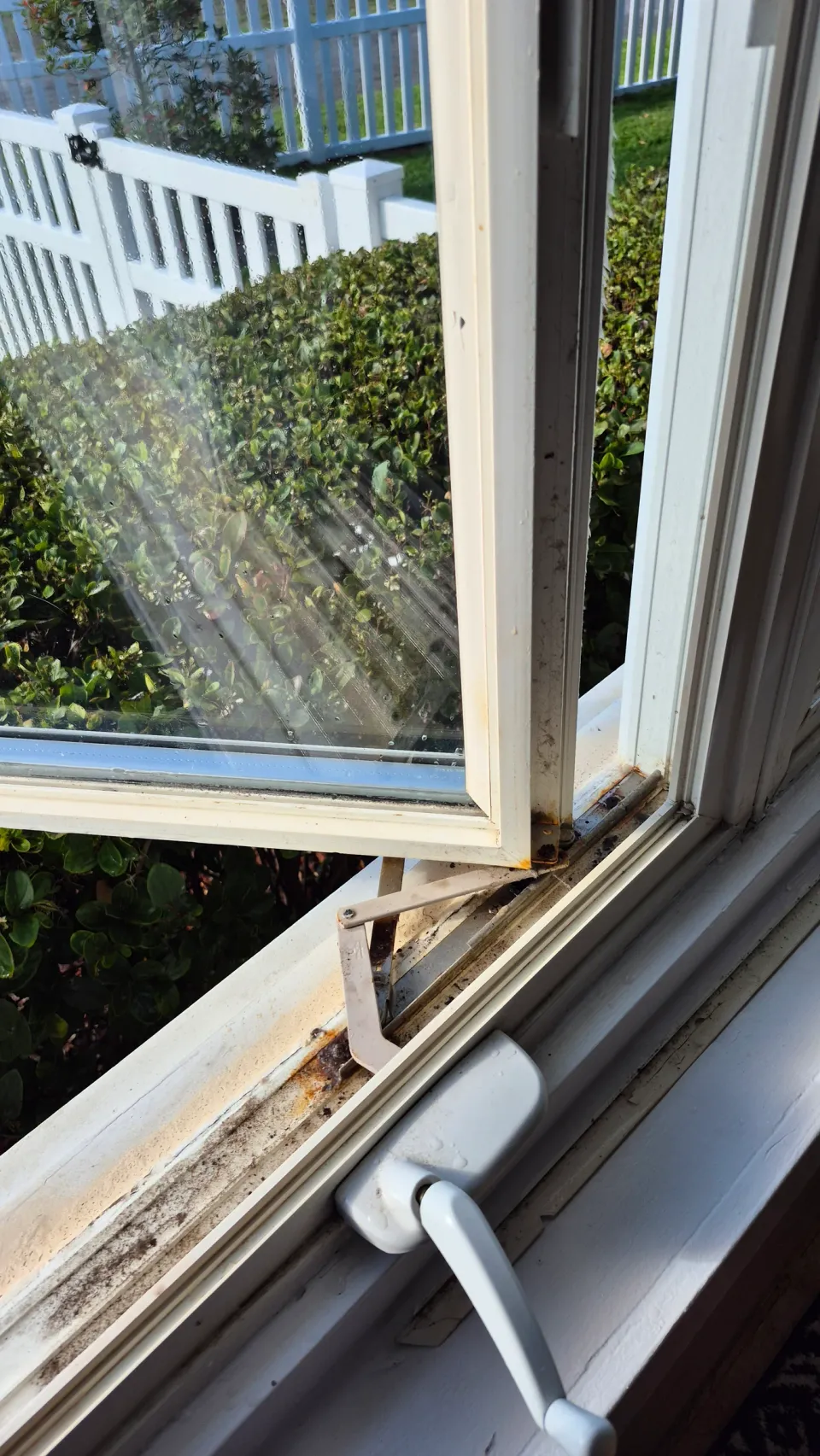
Hung windows, horizontal sliders and crank-operated casements use different hardware. A worn operator, damaged fitting or misaligned sash can make opening and locking difficult; these problems do not all require a new balance.
What we check
We check the affected operating mechanism, its attachments and how the sash moves and closes. The window type and existing hardware determine compatible repair options.
Helpful to mention: Describe how the window opens and whether the handle moves without moving the sash, the sash binds, or the latch misses.
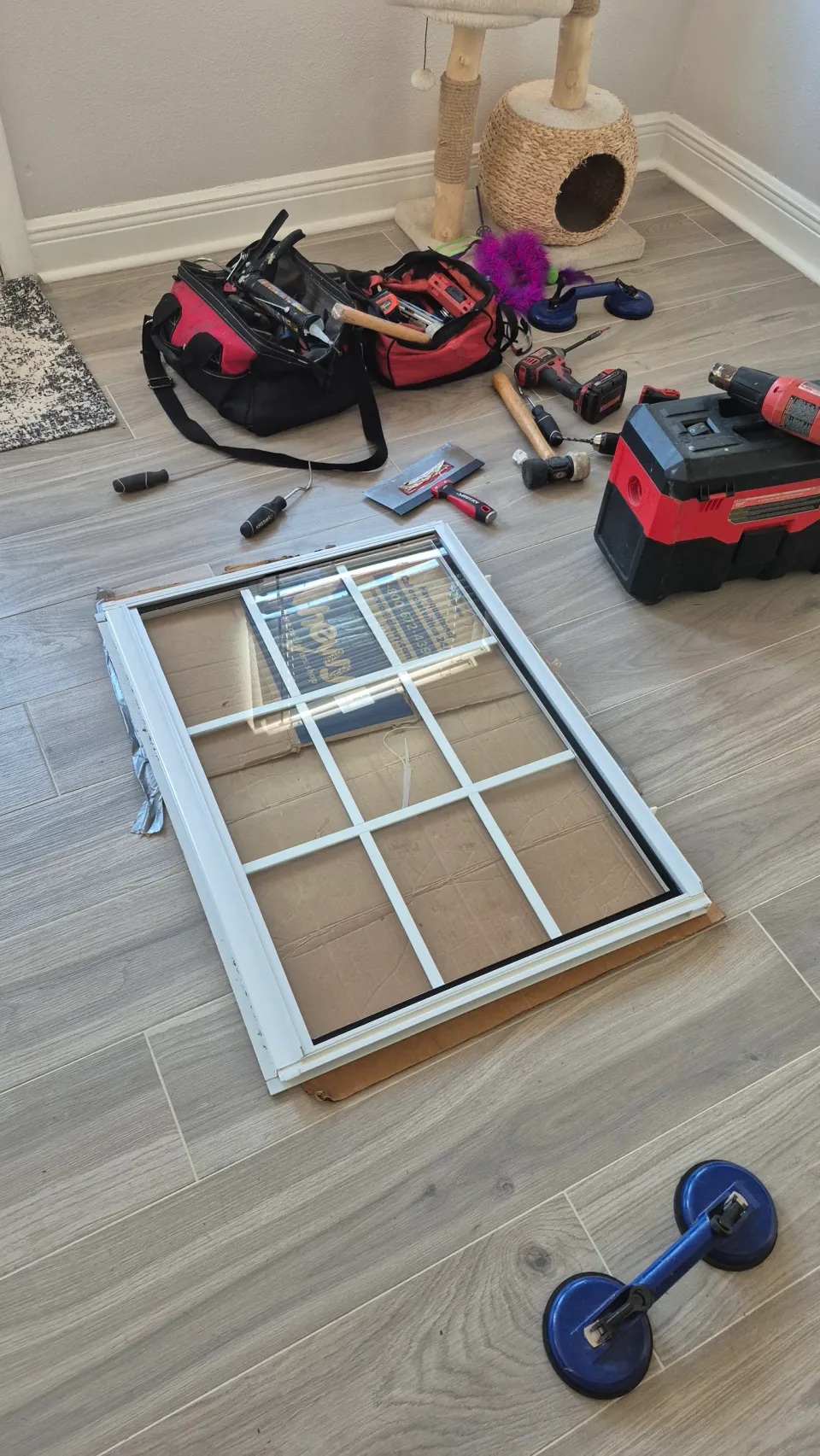
Glass damage needs a different assessment from a window that will not stay open. Replacement glass may fit within the existing sash when its frame and glazing system are suitable for repair.
What we check
We assess the glass specification, dimensions, glazing method and condition of the surrounding sash and frame before explaining whether glass-only replacement is appropriate.
Helpful to mention: Tell us how many panes are affected and whether you see a crack or missing glass. Avoid handling broken panes.
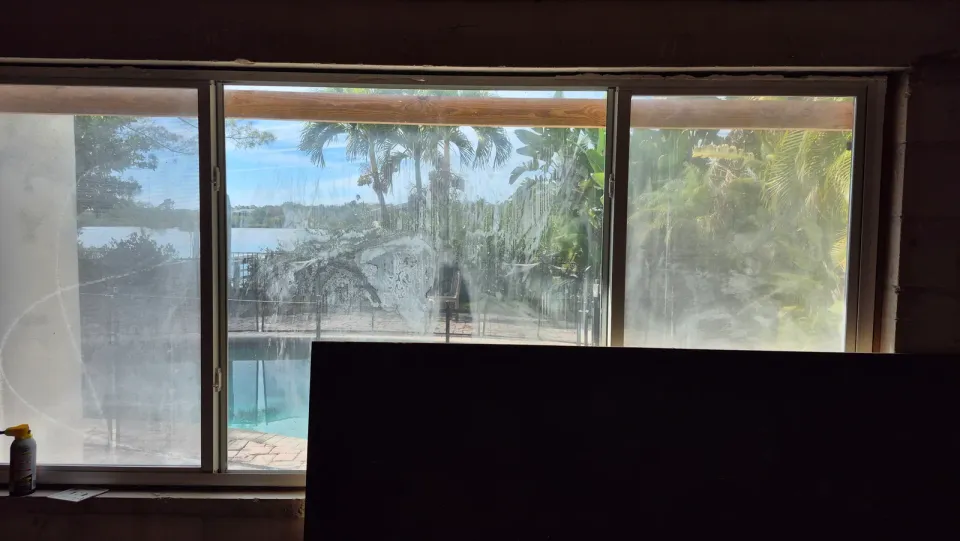
Moisture trapped inside an insulated-glass unit can indicate seal failure. Surface condensation, residue and a draft around the sash are different issues. Visible clouding alone does not establish which repair is needed.
What we check
We assess where the moisture or haze is located, the glazing unit and the surrounding frame. A failed insulated-glass unit may need compatible glass replacement rather than work on the sash balance.
Helpful to mention: Does the clouding wipe off an accessible surface, or remain between the panes? Describe when it appears without dismantling the window.
The assessment determines the repair scope and suitable parts. We explain the recommended work before it begins.
01
Assess the problem
We check the affected sash, glass and operating hardware. A falling sash, sticking window and fogged glass need different assessments.
02
Agree on the repair
We explain whether balance work, hardware repair or glass replacement suits the existing window, including compatible parts and scheduling.
03
Repair and check operation
We complete the agreed work and check the repaired components, including sash movement and locking where relevant.
Planning your repair
Repair options and estimate expectations
A targeted repair may be appropriate when the frame and sash are suitable and compatible parts are available. We assess the condition before recommending work; a stiff or dropping window does not automatically need full replacement.
The number of windows, affected components, access and parts availability influence the scope and scheduling. Describe the issue when you request service, then review the recommended work before it proceeds.
Window latches, guides, operators, balances, and weatherstripping can wear out in Tampa Bay humidity. Here is when homeowners should schedule window hardware repair.
For a window that falls shut, sticks, will not latch or has damaged glass, share your address or ZIP code and describe what happens during use. Include the number of affected windows, their floor level and any access restrictions.
We assess the balance and related sash hardware to identify the cause. Repair options depend on the existing system, its condition and compatible parts.
Is foggy glass the same problem as a failed window balance?
No. A balance supports the moving sash. Fog between panes can indicate an insulated-glass seal problem, which requires a different assessment and repair.
What should I tell you when requesting window repair?
Include your city, how many windows are affected and whether the issue involves movement, locking, damaged glass or fogging. We review the request before confirming the next steps and scheduling.
Request service
Request window repair service
Tell us your city, how many windows are affected and what needs attention. We will review your request and confirm service options and scheduling. A submitted request is not a confirmed appointment.
Tell us what is happening
Include how many windows are affected and whether the sash drops, sticks, will not lock or has broken or fogged glass.
What happens next
Our team follows up to discuss the repair and arrange a visit. A submitted request is not a confirmed appointment.
Tell us your city, how many windows are affected and what needs attention. We will review your request and confirm service options and scheduling. A submitted request is not a confirmed appointment.