
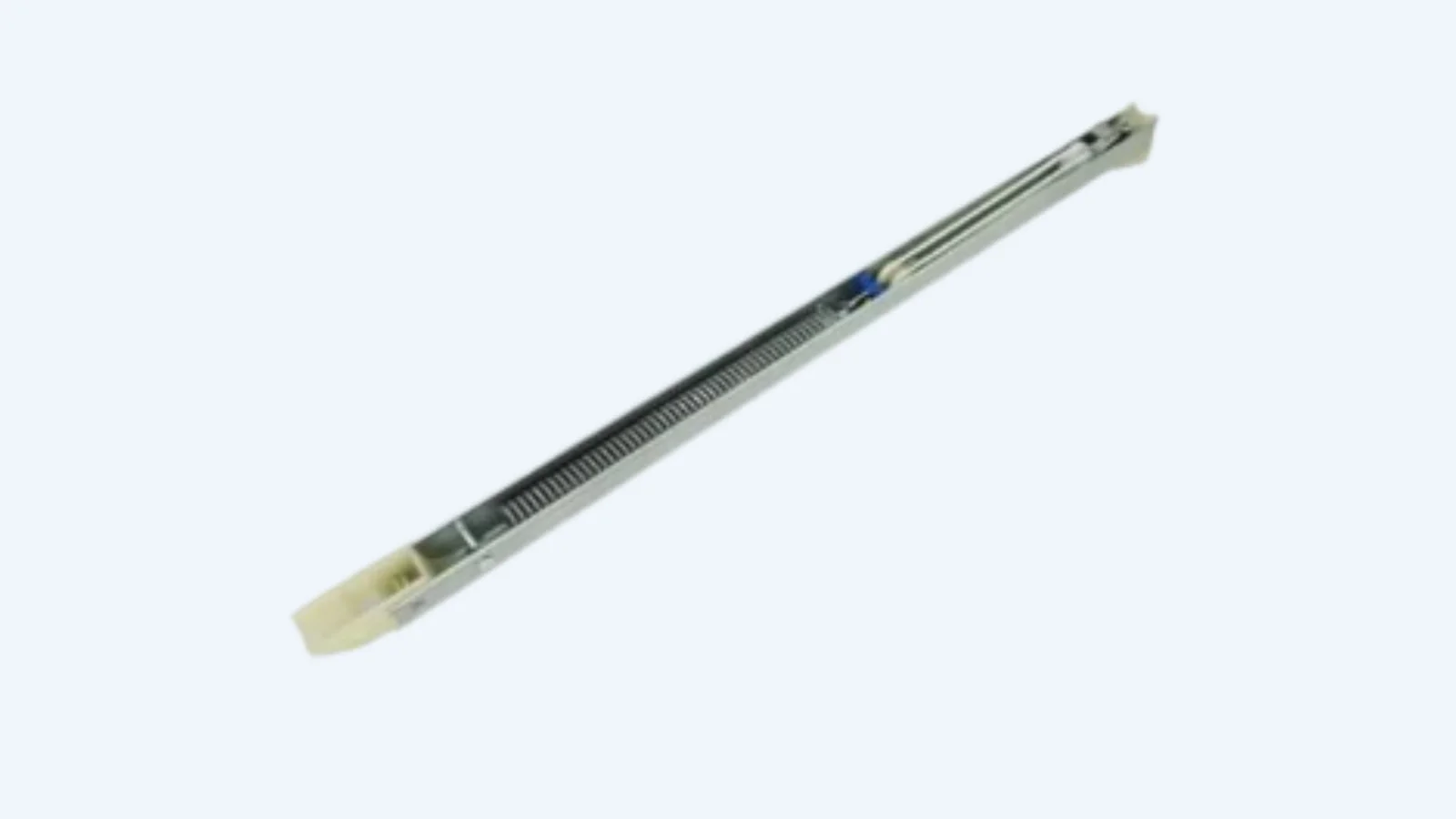
A window that will not stay up can have a failed balance or a problem with the hardware supporting the sash. The symptom alone does not identify the replacement part. If the sash drops or will not hold its position, arrange an assessment rather than forcing it to operate.
For help with the repair itself, see our window balance repair and replacement service across the Tampa Bay service area. This guide explains the symptoms and the decisions that come before choosing parts.
What the symptoms can mean
| Symptom | Possible cause | Useful next step |
|---|---|---|
| Lower sash slides down or will not stay open | Balance or related sash-support hardware | Have the support system assessed; do not dismantle the window to identify a part |
| Upper sash of a double-hung window drops | The upper sash’s balance, attachment or supporting hardware | Identify which sash moves out of position and describe it in your request |
| Window feels heavy or rises unevenly | Balance wear, attachment problems or alignment | Have both sides and the sash condition checked |
| Window sticks or will not lock, but stays up | Operating hardware, alignment or another cause | Request diagnosis rather than assuming it needs new balances |
These are possibilities, not a diagnosis for every window. A horizontal slider uses different operating hardware from a single- or double-hung window.
Why window balance problems should be handled early
Window balances help carry the sash weight. When they fail, the window can become heavy, uneven, or unpredictable. A sash that will not stay open is more than an inconvenience because it can drop suddenly, strain the lock, or make the window hard to secure.
Common warning signs include:
- a window that slides down after you lift it
- a sash that feels heavier than it used to
- one side of the window rising higher than the other
- popping, scraping, or uneven movement
- a lock that no longer lines up cleanly
- a window that must be pushed or lifted to latch
- visible corrosion, cracked hardware, or loose guides
- drafts or gaps because the sash no longer closes squarely
If the glass is intact and the frame is still sound, the right answer is often targeted window repair instead of full window replacement.
Signs you may need balance or hardware repair
The window will not stay open
A sash that slowly drops, slams shut, or needs to be propped open usually points to failed balances, springs, shoes, or related support hardware. That problem should be checked before the window becomes harder to control.
The window feels heavy
When a window suddenly takes more effort to lift, the balance system may no longer be carrying the sash correctly. Forcing a heavy window can damage guides, weatherstripping, locks, and the surrounding frame.
The sash moves unevenly
If one side rises or drops faster than the other, the balance system may be mismatched, broken, or out of alignment. Uneven movement can make the window bind and can keep the lock from catching.
The lock will not line up
A lock problem is not always just a bad latch. If the sash is sitting too low, tilted, or out of square because of balance failure, hardware repair may need to be paired with balance service so the window closes securely again.
The window sticks after normal use
Humidity, corrosion, worn guides, and stressed balances can make a window stick even when the track looks clean. If the window keeps getting worse, it is usually time for a professional diagnosis.
Window dropping, sticking, or refusing to lock? Tampa Bay Sliding Doors can inspect the balances, sash, guides, latches, and hardware so the repair fixes the cause instead of only the visible symptom.
Request a window balance assessmentWhy the whole sash system needs inspection
A window that used to lift easily can become heavy, uneven or difficult to latch as parts wear or move out of alignment. The inspection should consider the sash and its supporting hardware together, rather than replacing whichever part first looks suspicious. The appropriate repair depends on the existing system and compatible parts.
What Tampa Bay Sliding Doors checks
Depending on the symptoms, a technician may inspect:
- balance type, tension, and condition
- sash movement and side-to-side alignment
- shoes, guides, pivots, and springs
- latch and lock alignment
- weatherstripping and closing gaps
- corrosion around hardware and fasteners
- frame condition and whether the sash is still square
Different balance systems have different identification and fitting requirements. For example, Viwinco’s guidance for its hung-window balances describes a system-specific procedure. It is not a universal repair method for other windows. Customers do not need to remove a sash or expose a spring to request an assessment.
When to call for window balance repair
Request an assessment when your window:
- will not stay open
- drops suddenly or feels unsafe
- feels too heavy to lift comfortably
- moves unevenly from side to side
- sticks even after normal cleaning
- will not lock without extra force
- has cracked, loose, or corroded hardware
- leaves a visible gap when closed
If the sash drops or cannot be controlled, stop forcing it to operate and arrange an assessment.
Choosing the next step
If a window will not stay open, feels heavy, drops suddenly, or refuses to lock cleanly, the issue may be failed balances, worn guides, latch alignment, or related hardware. In many Tampa Bay homes, the repair is manageable when the frame and glass are still sound.
If your window is already difficult or unsafe to use, request a window balance assessment. Include your city, the number of affected windows and whether the upper or lower sash is involved. Service options and scheduling are confirmed after the request is reviewed.