
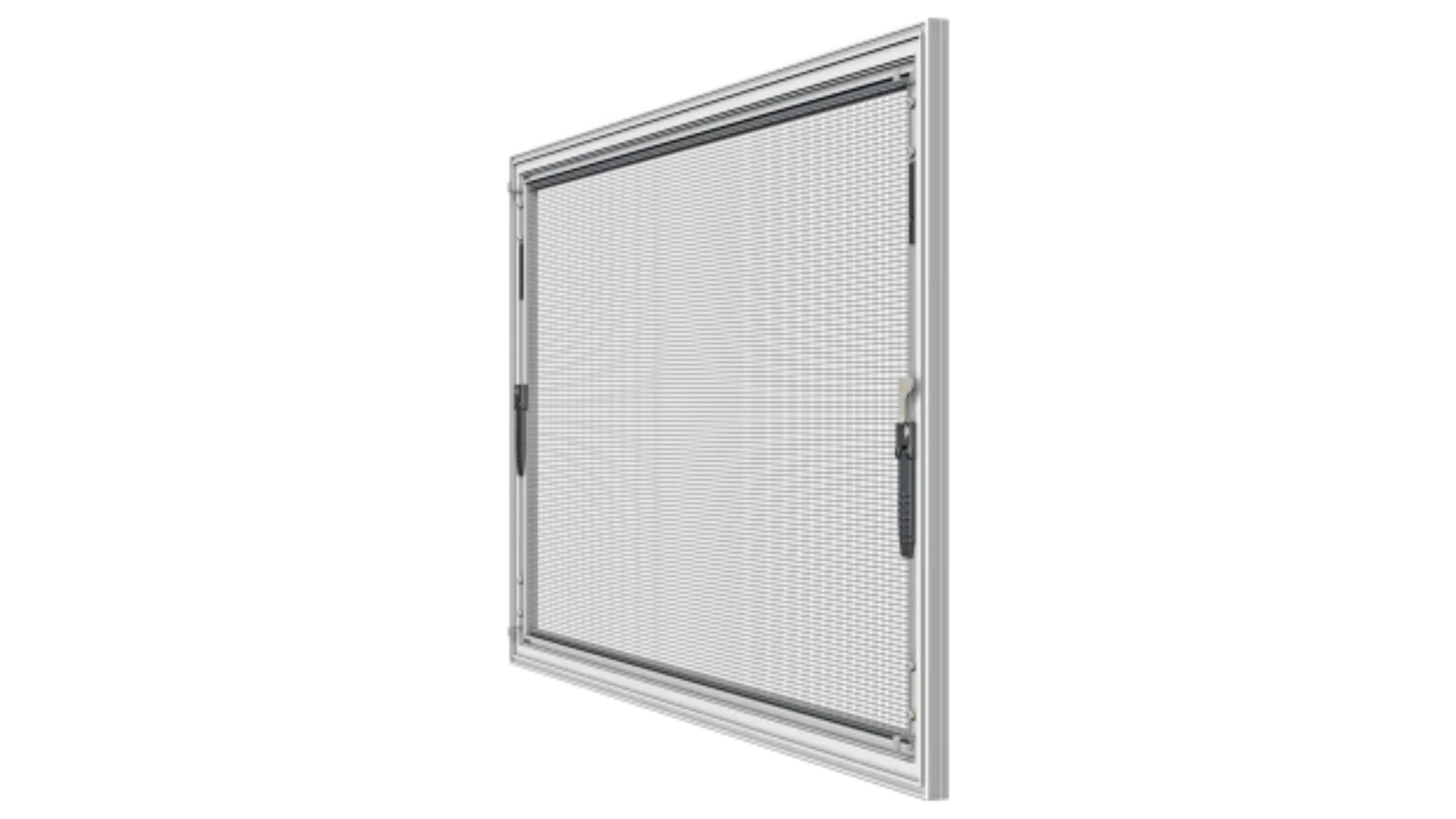
A sliding screen door should move easily, stay in its track, latch cleanly, and keep the patio usable without letting pests into the home. When the screen door drags, jumps the rail, leans out of square, or will not latch, the problem is usually more than a small annoyance.
In Tampa Bay homes, screen doors take daily abuse from humidity, salt air, wind, pets, kids, patio traffic, and grit in the bottom track. The frame can twist, rollers can flatten, latch hardware can loosen, and mesh can tear or pull away from the spline. Once that starts, forcing the screen usually makes the door harder to repair.
Why screen door problems get worse quickly
Screen doors are lighter than the main patio panel, but they still depend on a working frame, roller set, guide, latch, and track. If one part fails, the whole screen door can start moving unevenly.
That can lead to:
- a screen panel that pops out of the lower track
- torn mesh around the corners or handle area
- a latch that misses the keeper
- rollers that scrape instead of roll
- a frame that bows, racks, or catches at one side
- gaps that let insects through even when the door is closed
- extra wear on the main patio door opening
If the main patio door is also dragging, grinding, or hard to lock, the screen may not be the only issue. Tampa Bay Sliding Doors can inspect the screen door and the larger patio door repair system during the same visit.
Signs your sliding screen door needs service
The screen door keeps coming off track
A screen door that jumps the rail usually has worn rollers, bent guides, frame alignment problems, or track wear. Pushing it back into place may work for a short time, but repeated derailments usually mean the parts are no longer holding the panel correctly.
The door drags or scrapes
Dragging can come from flattened rollers, damaged roller housings, a bowed frame, or debris and wear along the track. When the screen starts scraping, it can stretch the mesh and make the frame feel loose.
The latch will not catch
A screen latch needs clean alignment with the keeper. If the screen frame is sagging, the roller height is wrong, or the latch hardware is worn, the door may close but not stay secure.
The mesh is torn, loose, or pulling away
Small tears often spread in Florida conditions because the screen is under tension and exposed to wind, sun, and daily use. Loose mesh can also make the door look older than it is, especially around patios, lanais, and pool enclosures.
The handle feels weak or uncomfortable
If the handle is loose, cracked, or hard to grip, the door may be taking more force than it should. Handle issues should be checked with the rollers and latch so the repair is not just a temporary hardware swap.
Screen door dragging, torn, or falling off track? Tampa Bay Sliding Doors can inspect the rollers, frame, latch, mesh, and patio opening so the repair restores smooth movement and a tighter close.
Schedule screen door repairWhy Tampa Bay screen doors wear out
Sliding screen doors across Tampa, Clearwater, St. Petersburg, Largo, Palm Harbor, Brandon, Riverview, and nearby coastal neighborhoods deal with a rough service environment. Humidity can corrode small hardware, salt air can shorten the life of moving parts, and sand or patio grit can wear down the rollers.
Screen doors also get used differently than the main sliding door. They are often opened with one hand, bumped by pets, pushed by kids, and moved quickly during outdoor traffic. That repeated side pressure can twist the frame or pull the screen out of tension.
This is why a screen door repair should look at the full panel instead of only the torn mesh or visible latch.
What Tampa Bay Sliding Doors checks
Depending on the symptoms, a technician may inspect:
- roller condition and movement
- lower track wear and guide alignment
- frame squareness and panel fit
- latch, keeper, and handle hardware
- mesh condition and tension
- spline fit around the frame
- closing gaps around the patio opening
- whether the main sliding glass door repair system is also creating resistance
If the main door is heavy, uneven, or difficult to lock, the visit may also point to roller replacement, track repair, or handle replacement needs. Fixing the screen without checking the main door can miss the reason the patio opening feels difficult every day.
When to call for sliding screen door repair
Book service when your screen door:
- will not stay on track
- drags, scrapes, or sticks
- has torn or loose mesh
- will not latch cleanly
- leaves gaps around the edges
- has a bent or loose frame
- feels worse after normal use
- sits next to a patio door that is also hard to move
Waiting can turn a small roller, latch, or mesh issue into a bent frame or repeated derailment problem. Early service is usually the cleaner move.
Final answer
If your sliding screen door is falling off track, dragging, torn, or refusing to latch, it is time to have the full screen panel checked. The issue may be worn rollers, a bent frame, loose mesh, latch alignment, track wear, or pressure from the main patio door system.
If the screen is already difficult to use, request service online and Tampa Bay Sliding Doors can inspect the screen door, patio opening, and related hardware before the problem spreads.